
Packaging is one of the most overlooked elements in product development, until it causes delays, damaged shipments, or a poor first impression. But we urge our customers to treat packaging as a strategic part of the product, not an afterthought.
From protecting goods during long-distance shipping to reinforcing brand perception and meeting sustainability requirements, packaging design in Asia must be planned and executed precisely.
The Risks of Ignoring Packaging Early
“Great products missed their launch window because of the packaging.”
Many hardware startups and importers know this scenario too well. You may have finalized your tooling and product design, but the primary packaging development hasn’t started. The result? Missed deadlines, compromised protection during shipping, or packaging that doesn’t match your branding goals.
The Four Stages of Packaging Development
Just like your product, packaging follows a phased development process. To align with your production timeline, packaging must progress through:
- Concept phase: Determine packaging direction and sustainability goals.
- Design phase: Finalize dimensions based on accessories and BOM.
- Prototype phase: Test materials and structure with mockups.
- Pre-production phase: Confirm suppliers and run trial production.
“You start to think about packaging too late… and it just goes wrong.”
Integrating these phases early ensures that packaging doesn’t hold up mass production or shipping.
Retail vs. E-Commerce Packaging in Asia
“Retail packaging is about shelf appeal. E-commerce is about protection and experience.”
These two sales channels require very different approaches to packaging design:
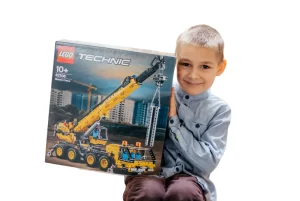
- Retail packaging must visually stand out on crowded store shelves, often requiring bold graphics, clear window displays, and structured inserts. You can see a child holding retail packaging for a toy here; it’s bright and descriptive:

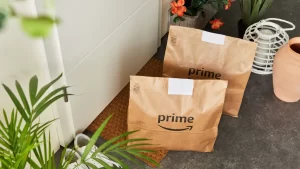
- E-commerce packaging often demands durability through long shipping routes, often across borders and multiple fulfillment centers. It must also often comply with standards like Amazon’s Frustration-Free Packaging (FFP), which discourages unnecessary layers.
Here’s an example of Amazon FFP used for a grocery delivery; it’s just a simple paper bag (image courtesy of Amazon):

Unboxing: Where Brand Meets Experience
“The first impression your customer will get, before they even try the product, is the packaging.”
In a market driven by social proof and content sharing, the unboxing experience of packaging offers is now central to branding. An elegant or clever package layout can lead to social media shares, positive reviews, and higher perceived product value, which is particularly important for premium-priced products made in China. A great example of this is Apple’s packaging, which is a stand-out example of a slick and quality unboxing experience.
You can see an example of an Apple unboxing here:
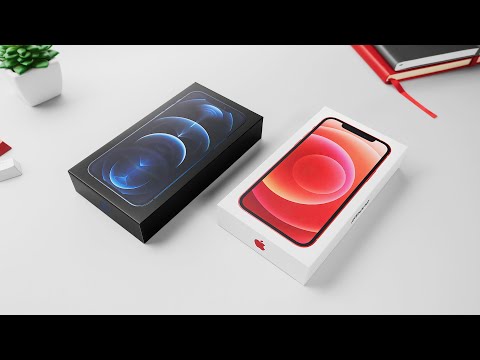
The high-quality packaging stands out, right?
Sustainable Packaging Trends
Brands are increasingly embracing sustainable packaging in China due to consumer and regulatory pressure. Common eco-packaging options we see in China include:
- Corn starch- or mushroom-based materials
- Post-consumer recycled paper or plastics
- Minimalist, glue-free designs
However, it’s not without trade-offs.
“If you want to be eco-friendly, you need to pay more.”
Eco-friendly packaging sometimes has trade-offs
We switched from plastic to an eco-friendly kraft paper packaging for some incense products to reduce plastic use. While the goal was noble, we found that the incense scent evaporated faster in the paper, and so it was not well-suited for storing the products for an extended period. Finally, we had to switch back to plastic. So the learning is that sustainable doesn’t always mean functional, especially in humid or long-distance transit conditions.
Consumers do increasingly prefer sustainable packaging options, though
Consumers around the world are voicing a clear preference for sustainable, eco-friendly packaging, and recent surveys show this trend is accelerating in 2023–2024. From North America and Europe to Asia and Latin America, shoppers are increasingly expecting brands to reduce packaging waste and offer greener packaging options, even indicating a willingness to pay a premium for sustainability.
For example, the 2023 Trivium Packaging “Buying Green Report” (covering 9,000 consumers across the Americas and Europe) found 82% of respondents are willing to pay more for sustainable packaging, up from 78% in 2022 and 74% in 2021.
Another global PwC survey (2024) of 20,000 consumers similarly found that over 80% are willing to pay a premium (averaging ~9.7% higher) for products that meet specific environmental criteria (e.g. recycled or eco-friendly materials). “Even as consumers look to cheaper options for essentials, they nevertheless cite a willingness to pay 9.7% more for sustainability,” observes Sabine Durand-Hayes, Global Consumer Markets Leader at PwC, adding that companies must balance affordability with environmental impact to retain these consumers.
Testing: Don’t Ship Without It
“Packaging needs to be tested with drop test, compression test, real-world conditions… before you go to mass production.”
Reliability testing is critical, especially for e-commerce packaging made in Asia. We offer ISTA 2A testing to validate that your packaging survives the journey from China to your customer in our in-house testing lab.
“Having robust enough shipping packaging gives you the peace of mind that the many months and money spent on designing, developing, and manufacturing your products won’t be wasted by them being damaged during shipping.”
Key Takeaways
- Start early: Packaging development should begin alongside product design, not after.
- Know your channel: E-commerce and retail have very different requirements.
- Prioritize testing: Drop, vibration, and compression tests are essential to avoid shipping damage.
- Balance sustainability with practicality: Eco-friendly packaging is great, but it must suit your product and needs.
- Unboxing is branding: Make it memorable, your packaging is your customer’s first interaction.
By treating packaging as a core part of your product strategy, especially when developing and manufacturing in Asia, you protect your timeline, budget, and customer experience. Don’t let the box be what breaks your product launch.