
A recent reflection from founding engineer and head of hardware, Anshuman Kumar, at Matic Robots, offers a refreshingly honest look at a six-year hardware product development timeline, taking a product from a vague idea to something real customers can use.
There’s one detail in Kumar’s story that matters more than anything else:
It took about six years to go from idea to launch and get real products into customers’ hands.
This demonstrates the reality of new product development, especially for complex physical products like Matic Robots’ innovative new cleaning robot, which many businesses really should be aware of. Building a physical product from scratch is often messy, slow, and full of wrong turns, rather than being fast and iterative.
Let’s investigate what can be learned from their story and what a realistic hardware product development timeline actually looks like.
Why hardware product development timelines are longer than you think
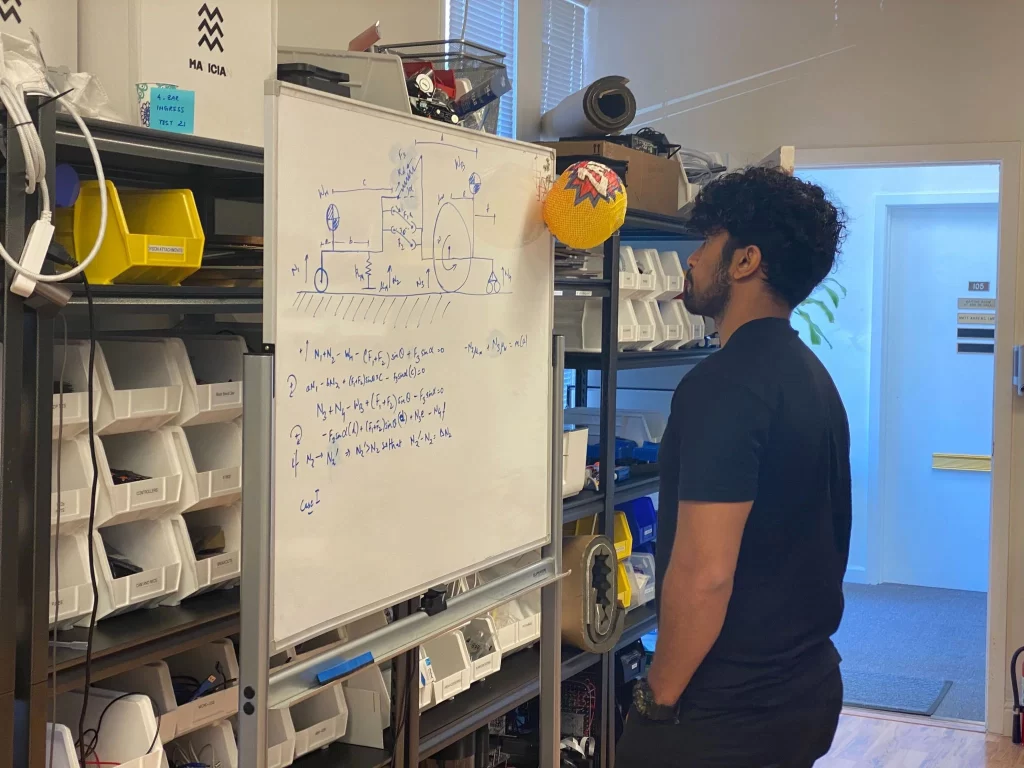
Six or so years of development from scratch isn’t surprising for ambitious hardware products that:
- Combine software + electronics + moving mechanical elements
- Require reliability in real-world environments
- Aim to differentiate, not just copy
If your plan assumes 12–18 months to launch something complex, you’re probably underestimating how long hardware product development really takes.
Early user research shapes everything
Before building, the team spoke to hundreds of users to understand how people actually clean their homes. These included:
Parents, busy professionals, pet owners, house cleaners, nannies, and just about anyone who would need to clean a home.
That groundwork matters because it allows you to:
- Prioritize the right problems
- Avoid building irrelevant features
- Design around real behavior, not assumptions
For some founders, qualitative market research will be crucial: testing willingness to pay, positioning, and demand early.
In an existing category like robot vacuums, that risk is perhaps reduced. But in new categories, it’s essential.
Question what already exists
They didn’t accept industry norms at face value. Instead, they asked numerous questions with the existing ‘disc-shaped’ cleaning robots in mind:
Why the tiny dirt compartment?
Why the massive dock?
Why does it get stuck all the time?
Why does it bump all the time?
Why do I have to cut out hair from the brush roll?
Why does it drag a dirty mopping pad around? Can we do something better?
Why is the robot so freaking noisy?
Why does the dock sound like a jet plane taking off my living room?
Why does the dock’s wet compartment smell like sewer?
Why is it so dumb?
This is where their differentiation comes from.
Some companies just set out to benchmark competitors and make small, incremental improvements.
Innovative products that stand out come when you challenge the fundamentals. However, rebuilding systems from scratch takes time. There’s no shortcut. Hence, the 6-year timeline.
A few reminders
Here are a few points that companies launching a new product should bear in mind:
- Over six years or so, they went through multiple prototype generations. That’s normal.
- Getting to a product that is reliable, manufacturable, and consistent in quality will take a lot of time.
- Crossing the rubicon of having a working prototype to launching a product that can be shipped to customers reliably requires process control, quality systems, and stable suppliers. Are you ready?
- The story doesn’t end upon launch; there are still bugs to squash, returns to investigate, and improvements to add.
You can see how their prototypes iterated and resulted in the final product, which is fascinating:
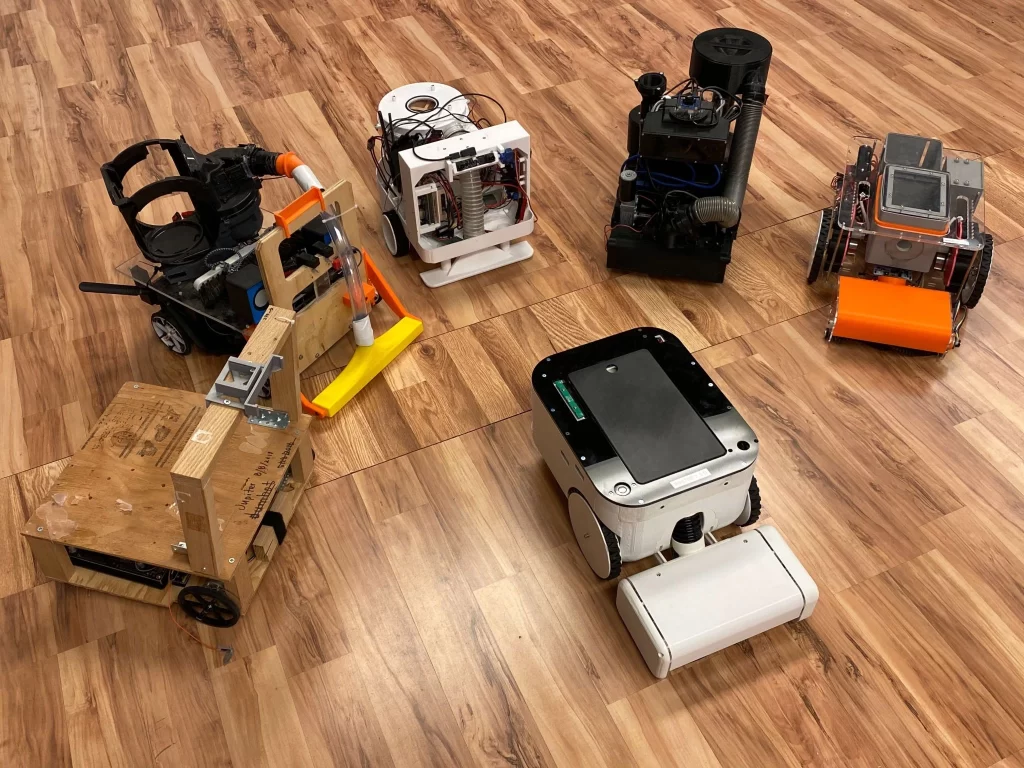
(Images shared courtesy of Anshuman Kumar’s Linkedin post)
Hardware product development timeline takeaway
If there’s one lesson we can take from Matic Robots, it’s this: Launching complex hardware products with a high degree of innovation and great customer experience will take years, not months.
Companies that manage to launch innovative products tend to:
- Stay close to users’ requirements
- Challenge assumptions
- Commit to long iteration cycles
- Push all the way to production, not just prototypes, and ensure a suitable NPI process is followed
This is how you can build something innovative that lasts. Bravo to their team, it looks to us like they’ve come up with a really cool, innovative product!